CUSTOM SOLUTIONS
Welding + Fabrication
Flexibility and Throughput
Robotic welding solutions deliver when it's engineered around part fit-up, joint accessibility, tolerance variability, and throughput requirements.
Acieta designs and integrates custom welding and fabrication systems built around your manufacturing reality, from flexible robotic weld cells to high-throughput production lines engineered for consistency, quality, and repeatability.
Capabilities
Robotic welding drives consistent weld quality, higher throughput, and a safer working environment.
Acieta engineers fixtureless welding systems that use advanced vision and sensing to enable robotic welding to locate and join parts without traditional hard tooling, reducing fixturing costs and changeover time across mixed-part production.
Robotic MIG welding requires the right combination of robotic expertise, process knowledge, and proven system design.
With decades of experience in demanding structural and heavy fabrication applications, we deliver consistent, high-deposition weld quality on your largest and most challenging jobs.
Precise, low-distortion robotic laser welding for applications where heat input, joint quality, and cosmetic appearance demand more than conventional welding processes can reliably achieve.
Spot welding robots built for high-volume production, delivering consistent nugget quality and repeatable electrode force across every shift.
Acieta configures automated projection welding systems that ensure precise energy delivery and consistent joint strength for fasteners, brackets, and formed components.
Our team has integrated automated press brake tending systems for small and large parts alike, on new and existing equipment, keeping your brake running at full capacity without dedicated operators.
Vision-guided laser sorting that identifies, classifies, and routes parts after cutting, eliminating manual handling between fabrication steps.
Robotic folding machine cells engineered to maintain the speed and precision needed to keep cycle times tight and part quality consistent across production runs.
Acieta designs automated fastener insertion systems that place and set fasteners with repeatable accuracy, removing one of the most labor-intensive steps in your fabrication process.
Robotic grinding and polishing systems that apply consistent force and controlled motion paths to deliver surface finish results your process can depend on, run after run.
Benefits
Consistent Quality
Robotic welding removes the variability that comes with manual processes, producing welds that meet spec every cycle regardless of shift or operator.
Higher Throughput
Automated welding systems run at sustained cycle rates that manual welding can't maintain, increasing capacity without adding headcount.
Improved Safety
Moving welders away from arc flash, fumes, and heavy lifting reduces injury risk and creates a better environment for your workforce.
Less Rework
Repeatable weld parameters and integrated monitoring catch issues before they become defects, reducing scrap, rework, and downstream quality costs.
Flexible Production
Fixtureless welding and fast changeover capability let your robotic welder handle a broader mix of parts without dedicated tooling for every job.
Labor Savings
Welding automation handles the high-volume, repetitive work so your experienced welders can focus on complex joints, setup, and quality oversight.
Concept to quote
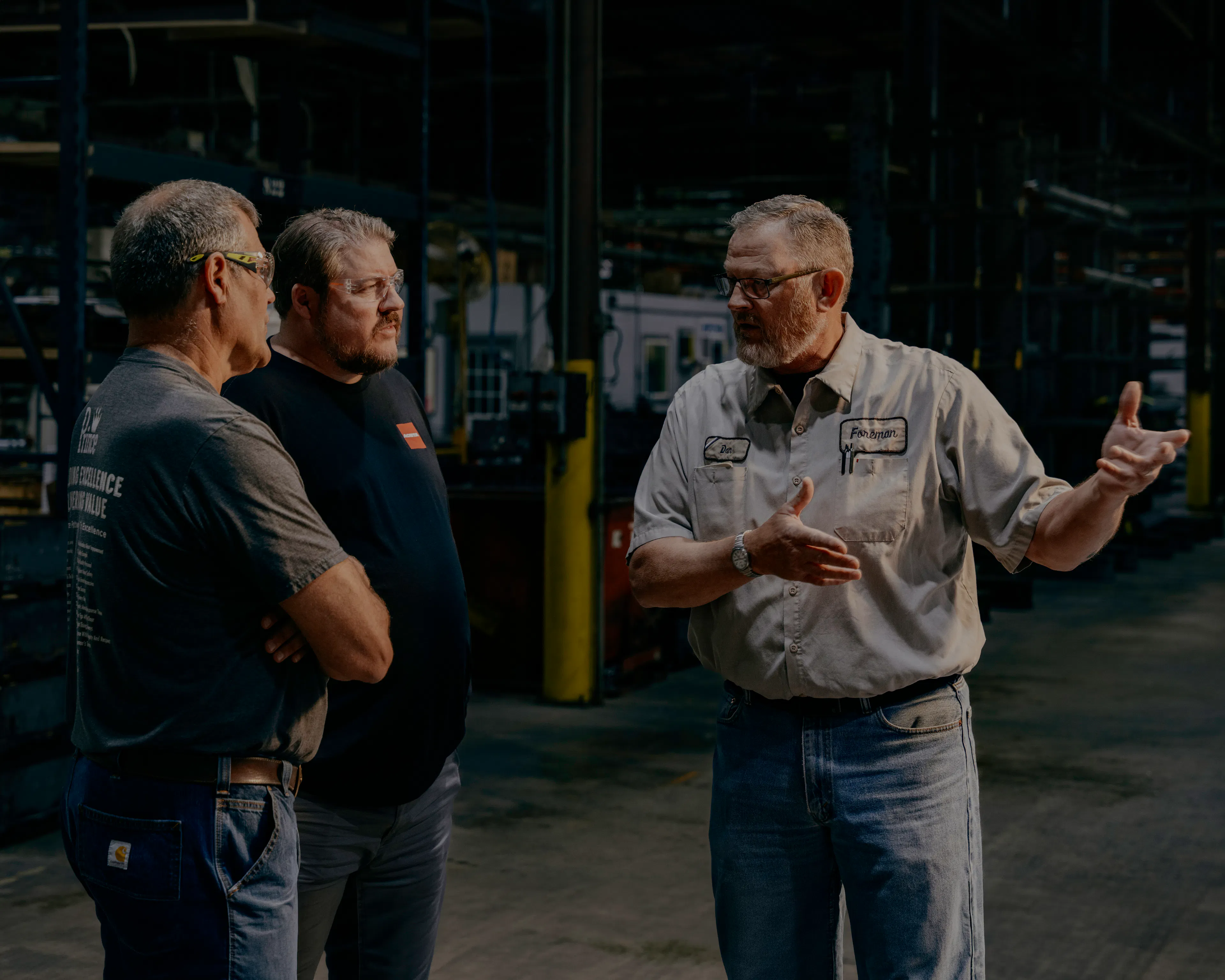
At Acieta, we de-risk automation by designing around human integration—ensuring technology works seamlessly with the people who use it. We simplify complexity and deliver reliable, predictable outcomes, so you can move forward with confidence.
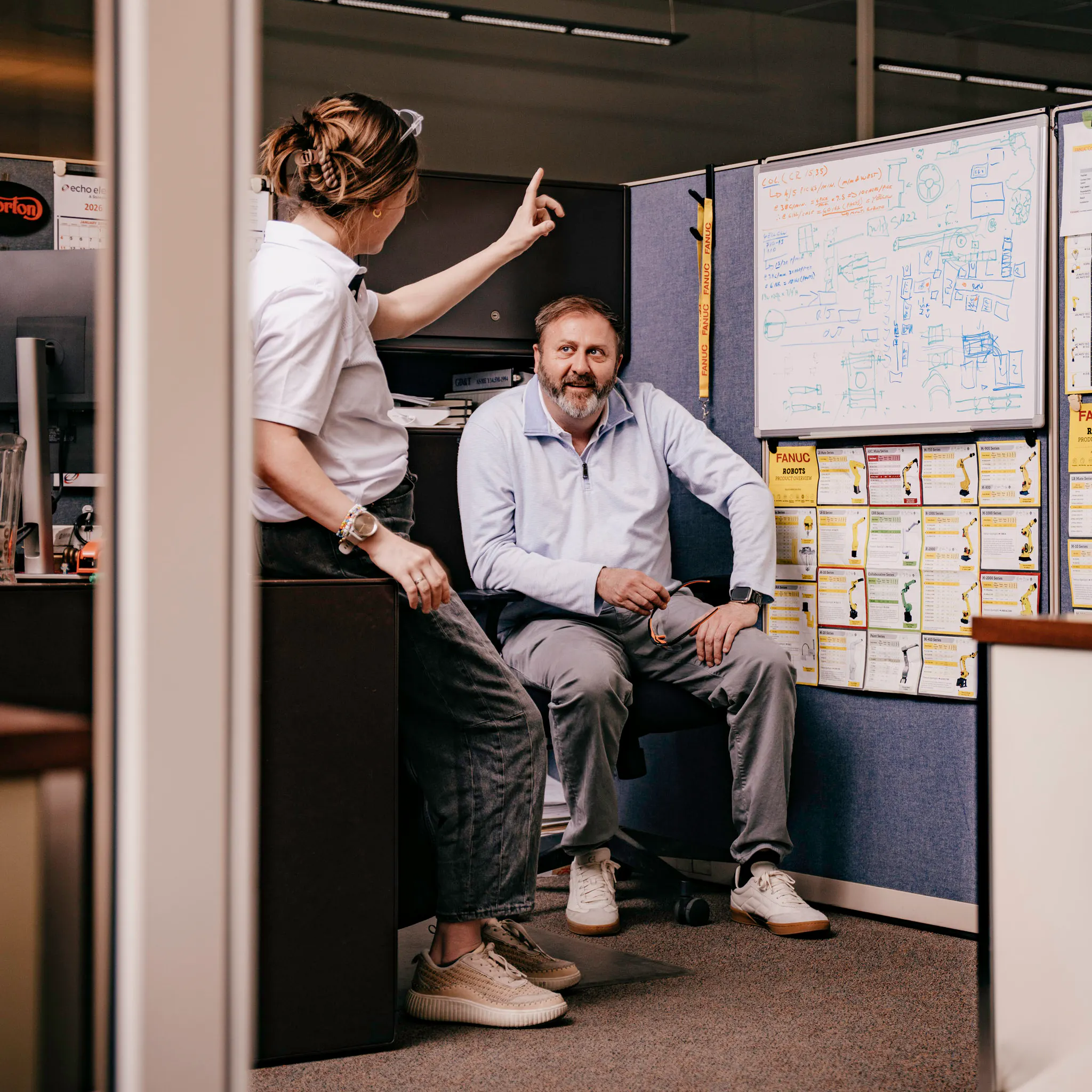
Preflight: Confidence Before You Commit
handshake Collaborate with a dedicated Acieta team on your floor
view_in_ar See the system modeled in 3D simulation software
fact_check Validate the solution with real-world feasibility tests
keyboard_double_arrow_right Move forward with a clear RFQ before the project begins
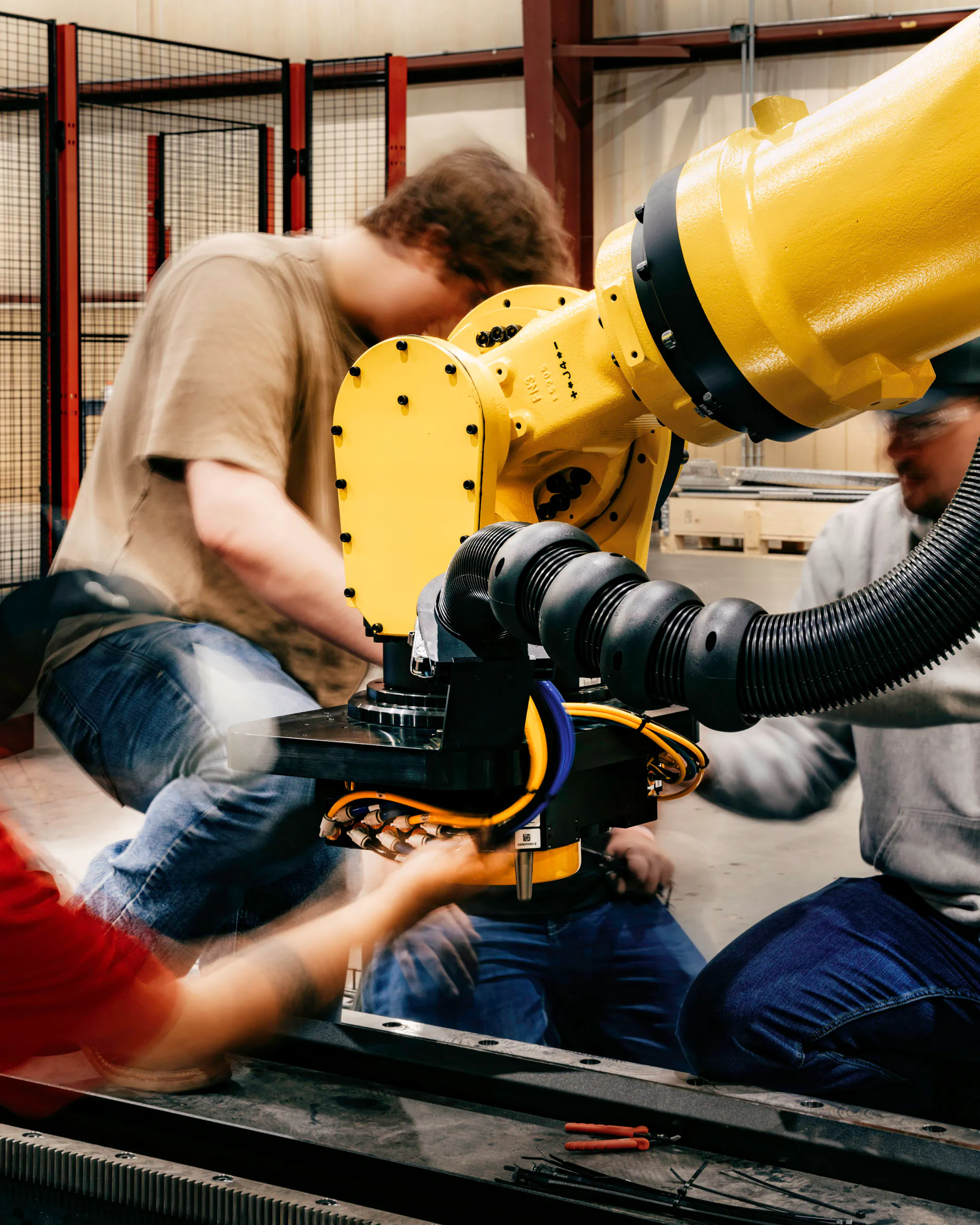
APEX: De-Risk the Delivery
build Work with a dedicated project manager
arrows_input Align every department on scope, timeline and design
info Stay informed with weekly progress updates
visibility See your system run to spec on our floor before it ships
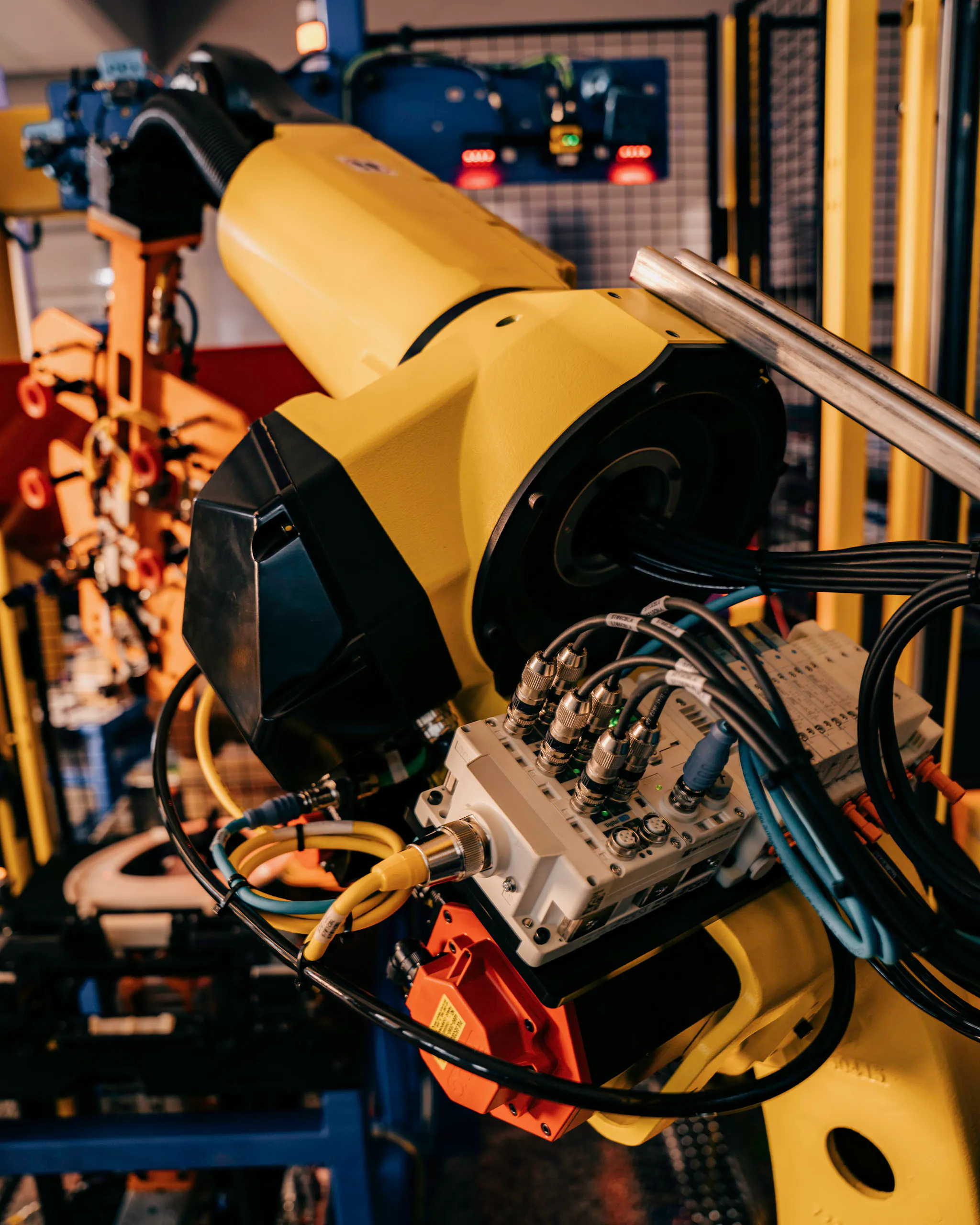
AIS: Sustained Service + Support
menu_book Upskill your operators with training on your system
home_repair_service Stay ahead of issues with preventative maintenance
precision_manufacturing Access high-quality parts with inventory management
call Reach expert service with 24/7 Emergency Response
Preflight: Confidence Before You Commit
handshake Collaborate with a dedicated Acieta team on your floor
view_in_ar See the system modeled in 3D simulation software
fact_check Validate the solution with real-world feasibility tests
keyboard_double_arrow_right Move forward with a clear RFQ before the project begins
APEX: De-Risk the Delivery
build Work with a dedicated project manager
arrows_input Align every department on scope, timeline and design
info Stay informed with weekly progress updates
visibility See your system run to spec on our floor before it ships
AIS: Sustained Service + Support
menu_book Upskill your operators with training on your system
home_repair_service Stay ahead of issues with preventative maintenance
precision_manufacturing Access high-quality parts with inventory management
call Reach expert service with 24/7 Emergency Response
Ongoing Support Services
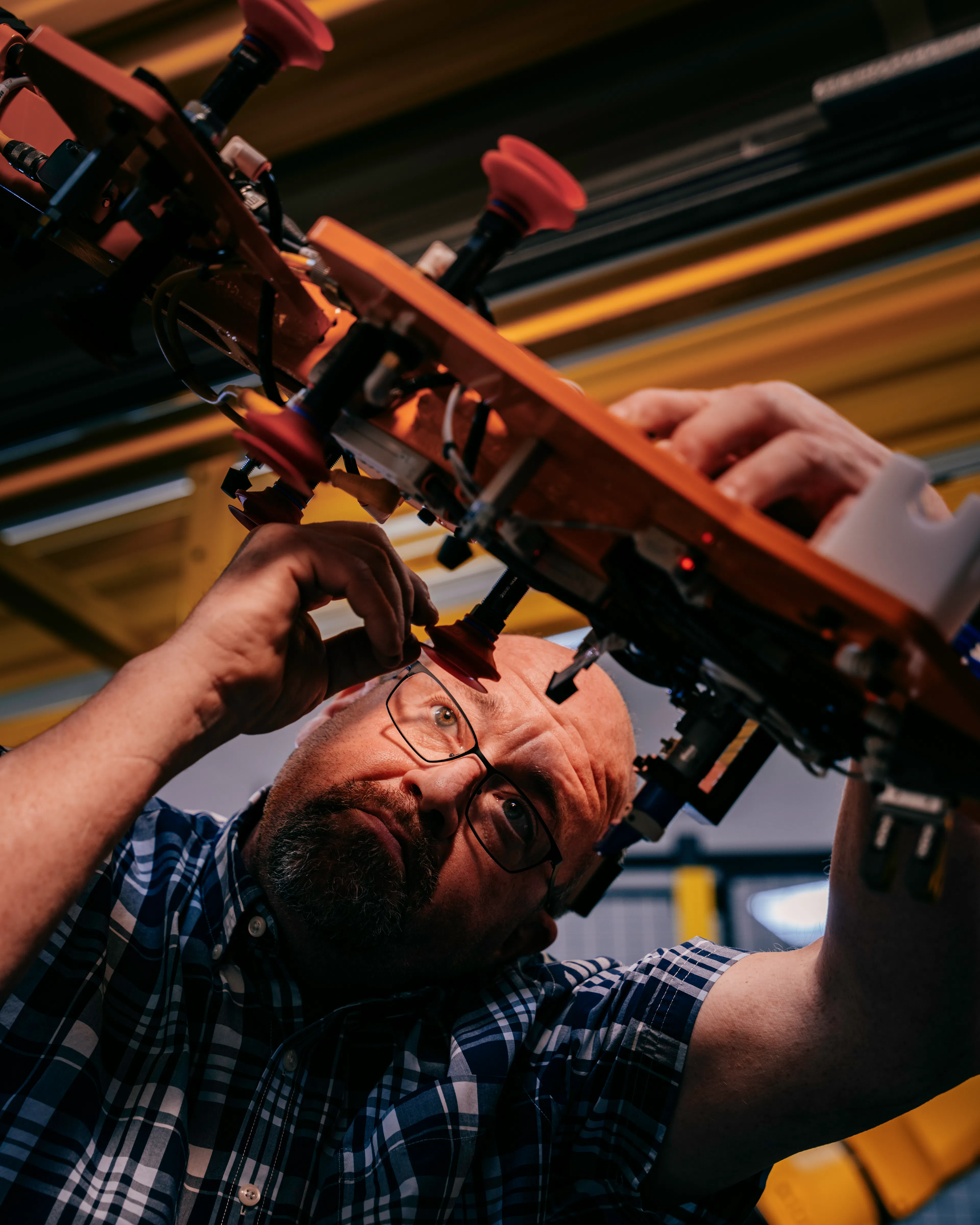
Preventative Maintenance
We help you avoid unexpected downtime and extend the life of your investment with regular inspections, adjustments, and proactive component care.
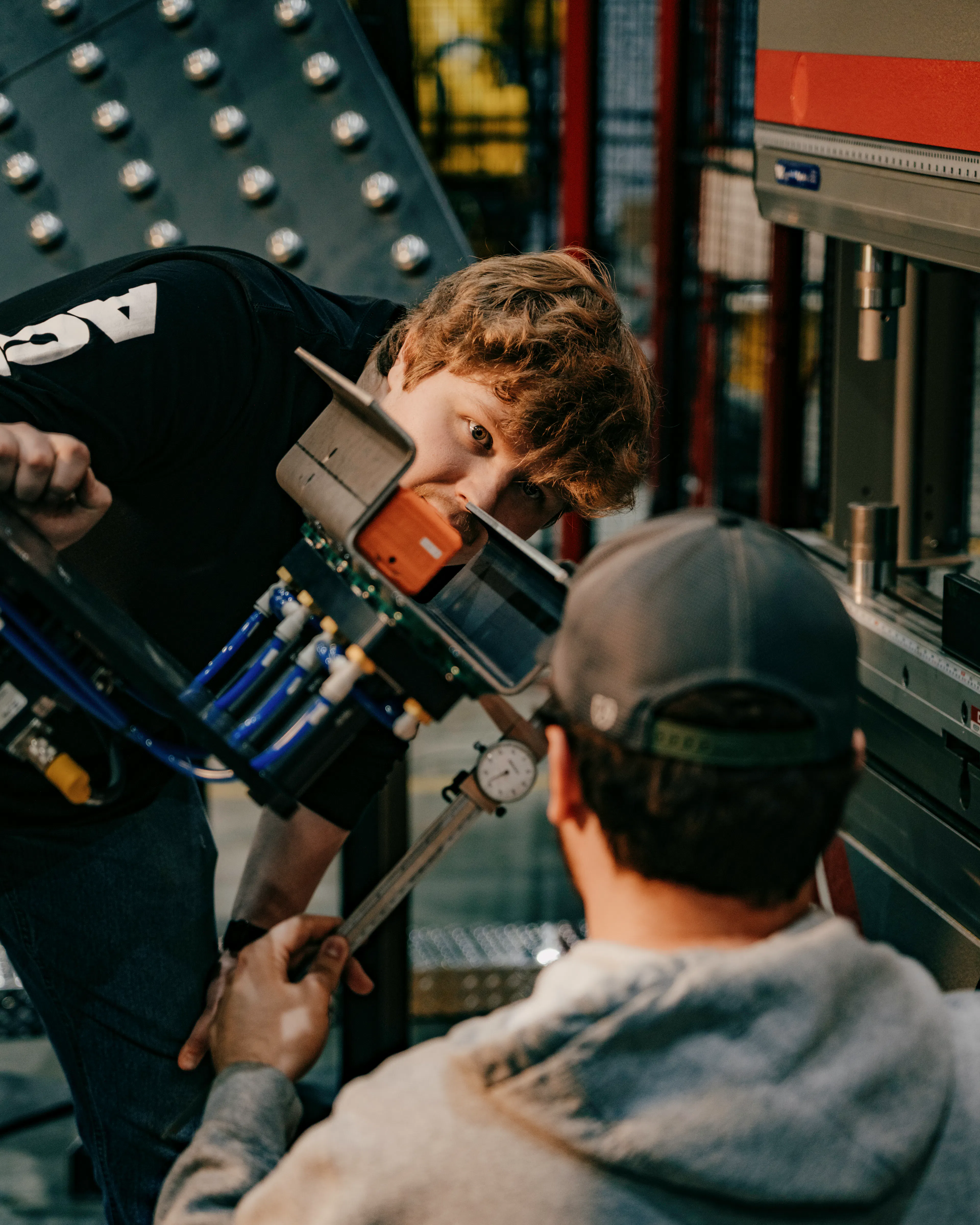
Training
Our training programs equip your team with the skills and confidence needed to operate, program, and maintain systems effectively.
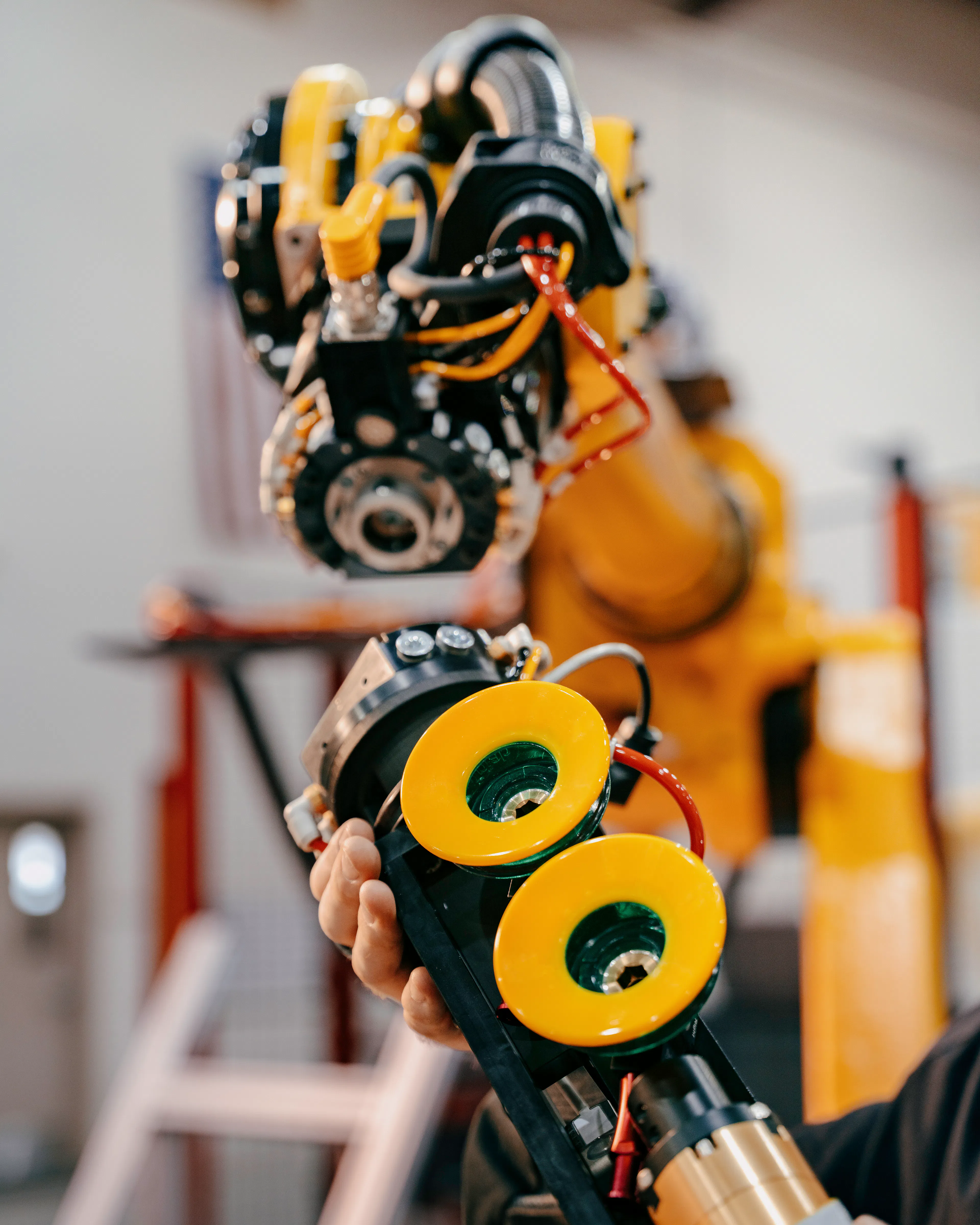
Spare Parts
Ensure the reliability and longevity of your system with a high-quality replacement parts.
Automated Welding FAQs
Everything you need to know about robotic welding and fabrication systems
A good robotic welding candidate isn’t defined by volume alone.
Part repeatability, joint accessibility, fit-up, weld length, cycle time, product mix, fixturing and upstream variation all affect whether welding automation is a reliable solution.
The bigger question is whether those inputs are controlled enough to create a repeatable automated welding process or what needs to change before they are.
Yes. Robotic welding systems can be designed for high-mix/low volume production using flexible tooling, quick changeovers, vision guidance and programmable recipes that support multiple part numbers and weld processes.
The key is understanding how much variation the system needs to accommodate. Part geometry, weld requirements, batch sizes, and changeover frequency all influence the right combination of welding robots, fixturing, sensing and controls.
During the engineering phase, we work with you to understand both current production requirements and future product plans so your robotic welding solution is designed around what you need to run today without limiting what you may need in the future.
Absolutely. The greatest value often comes from integrating robotic welding into a complete fabrication process rather than automating welding alone.
Acieta designs turnkey welding automation systems that connect robots with CNC machines, press brakes, conveyors, material handling, vision systems, and inspection equipment to create one connected manufacturing solution that improves productivity across the entire operation.
Yes - robotic welding can automate a wide range of processes, including robotic MIG welding, robotic laser welding, spot welding, projection welding, fixtureless welding and heavy fabrication applications.
The welding process can also be integrated with part handling, positioning, inspection and other equipment as part of a turnkey automated welding and fabrication system.
A robotic welding system can compensate for some variation, but it can’t fix an unstable process. Inconsistent fit-up, joint location, gaps, part tolerances and distortion can all affect weld performance.
Technologies like touch sensing, seam tracking and vision can help locate or track a joint, but the engineering decision is determining which variation the system should accommodate and which needs to be controlled through part design, fabrication or fixturing.
That evaluation is critical early in the project because excessive upstream variation can drive unnecessary complexity into the welding cell or prevent the process from achieving the required quality and throughput altogether.