CUSTOM SOLUTIONS
Material Handling
Move Anything
Save your team from the repetition and danger of moving material. Whether you’re lifting massive payloads or picking and placing lightweight products, material handling solutions save time, improve safety, and cut costs.
Capabilities
Material handling automation keeps materials moving through your production process with greater speed, consistency, and efficiency.
CNC machine tending robots keep your machines running at full capacity, loading and unloading parts without interruption.
Vision-guided robots identify, locate and retrieve unsorted parts from bins, eliminating the need for manual pre-staging.
Pick and place robots move products from one point to another with consistent accuracy, cycle after cycle.
Purpose-built automated conveyor systems move parts through your process at exactly the rate your line demands.
Programmable feeding systems handle multiple part types without retooling, adapting as your production mix changes.
Vertical lift conveyors move parts between elevations cleanly, keeping floor space open and throughput high.
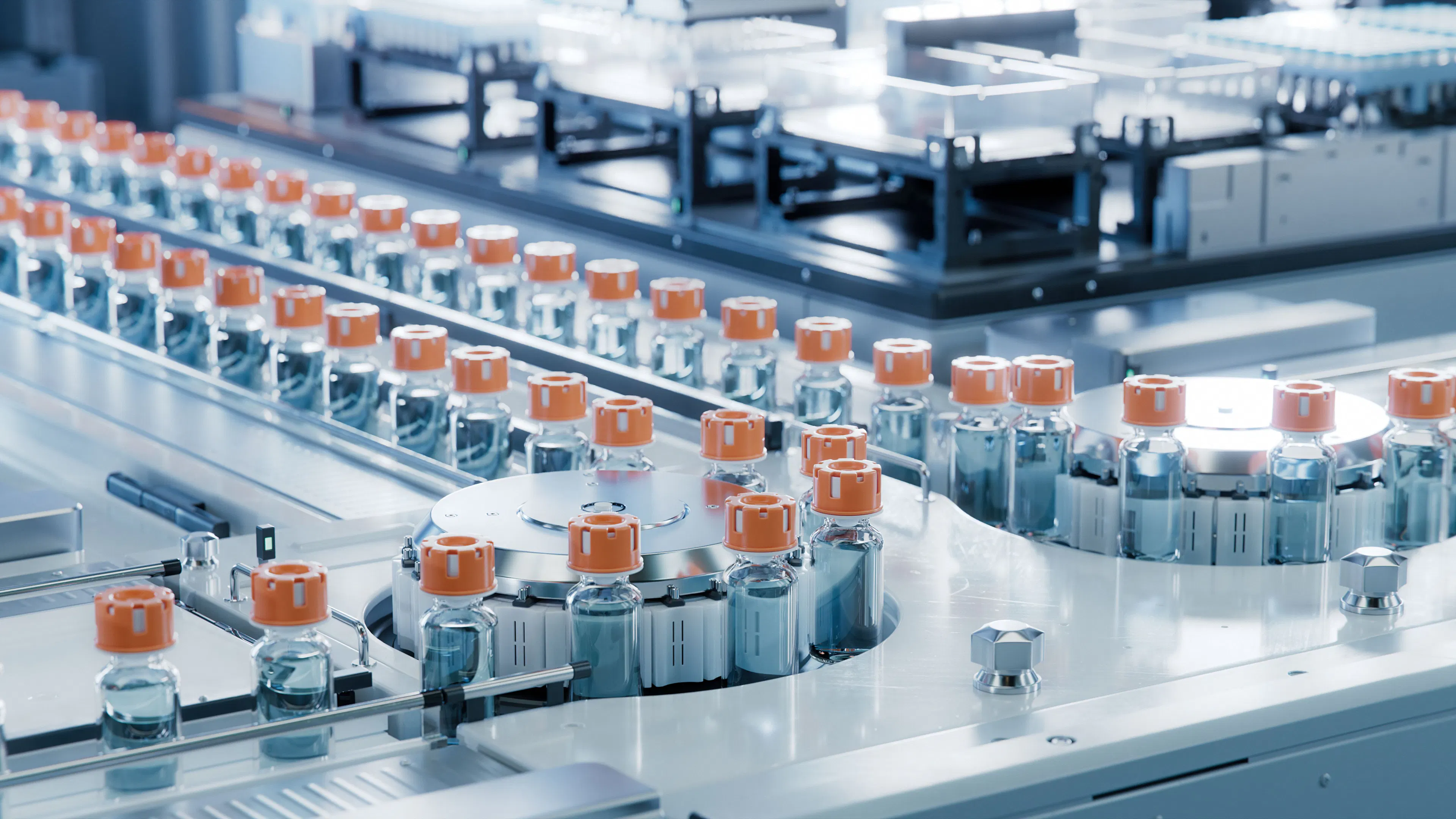
Rotary dial indexers position parts through sequential operations with repeatable accuracy at high cycle rates.
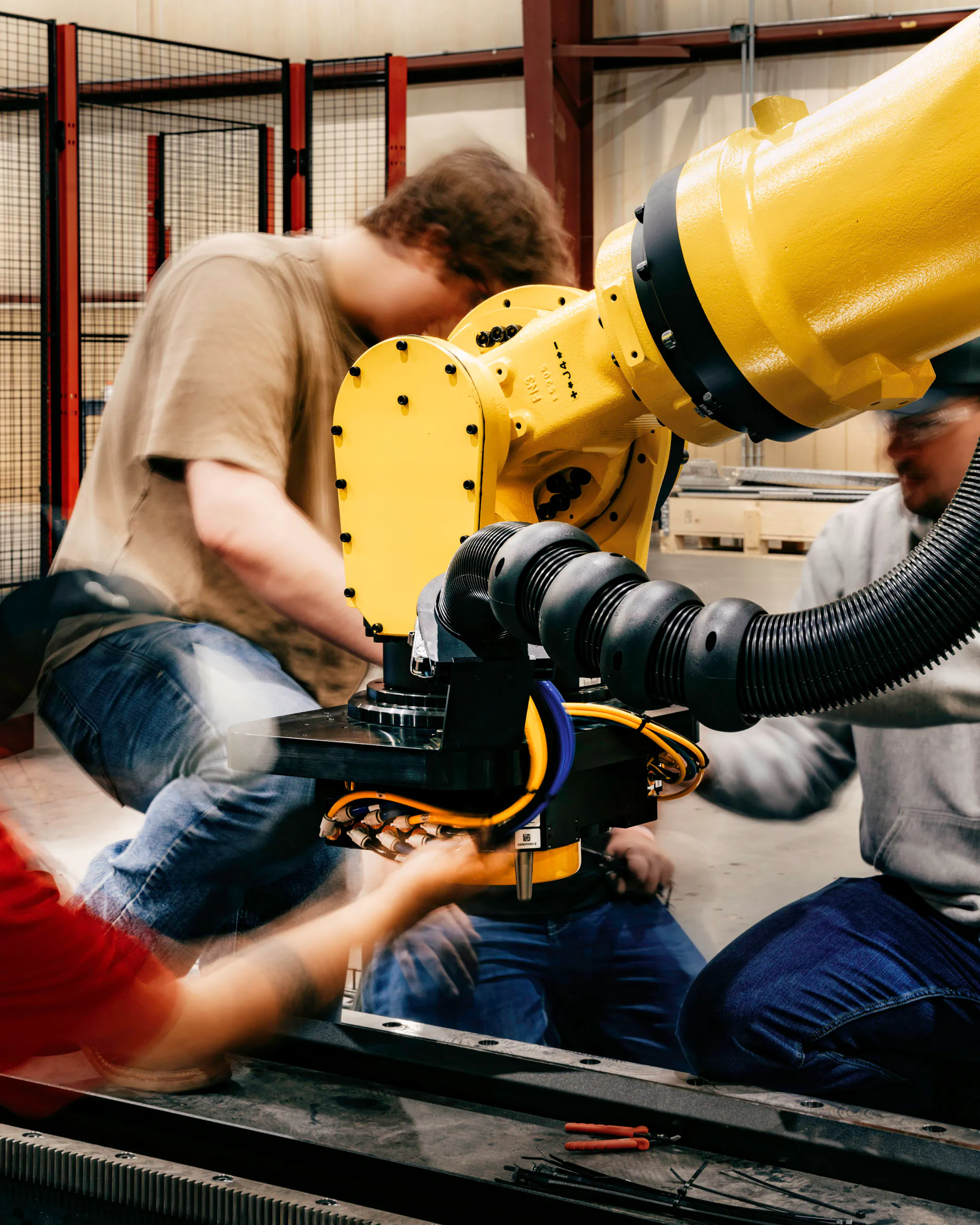
A robot transfer unit (RTU) is a linear track that adds a 7th axis to your robot,extending its reach so it can travel between multiple workstations, tend several machines, and connect processes throughout your production line.
Because we manufacture our own RTUs in-house, we can configure each system to fit your application. Whether you need a standard floor-mounted track, side-mounted configuration, or inverted system, every RTU is engineered for your process.
Custom end-of-arm tooling lets robots handle virtually any part geometry, size, or material.
Benefits
Safer Material Handling
Lifting is a leading cause of workplace injuries, costing employers millions each year. Automated material handling creates a better environment for workers and protects employers against compensation claims.
Power and Precision
From lightweight components to multi-ton assemblies, material handling solutions move, position, and place parts with the speed, repeatability, and accuracy required for reliable production.
More Reliability
Automated material handling systems offer superior reliability, which translates to less scrap and rework, and a more consistent product.
Flexible Automation
Integrated material handling systems connect robots, conveyors, vision systems, and production equipment to streamline your entire manufacturing process.
Reduced Operating Costs
Designed for high-duty-cycle manufacturing, material handling systems minimize component wear through precise, repeatable motion, helping maximize uptime and reduce operating costs.
Fewer Repetitive Strain Injuries
Automated material handling doesn’t just remove the labor involvement in your process—it cuts the cost of protecting workers from dangerous and arduous tasks.
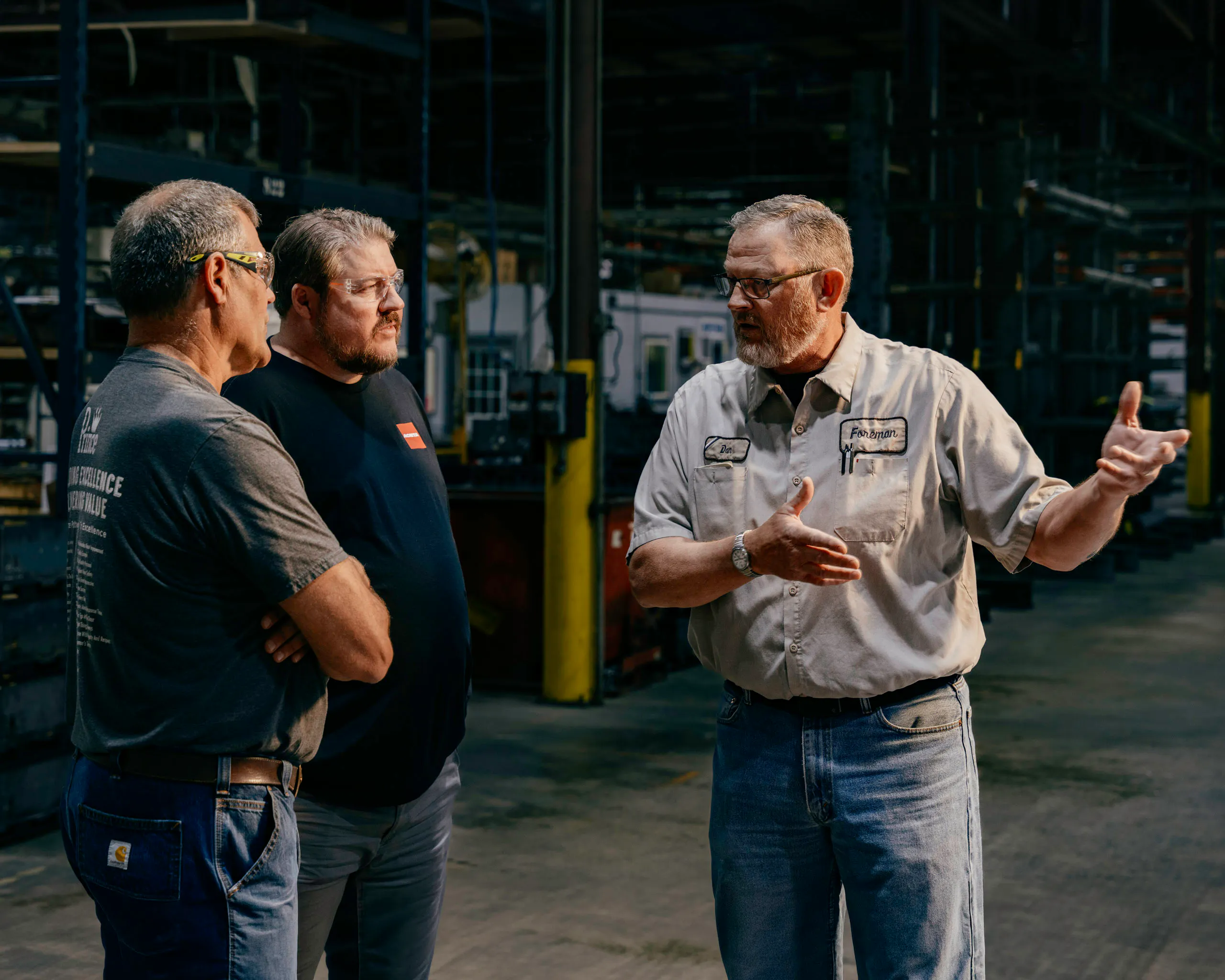
Concept to quote
At Acieta, we de-risk automation by designing around human integration—ensuring technology works seamlessly with the people who use it. We simplify complexity and deliver reliable, predictable outcomes, so you can move forward with confidence.
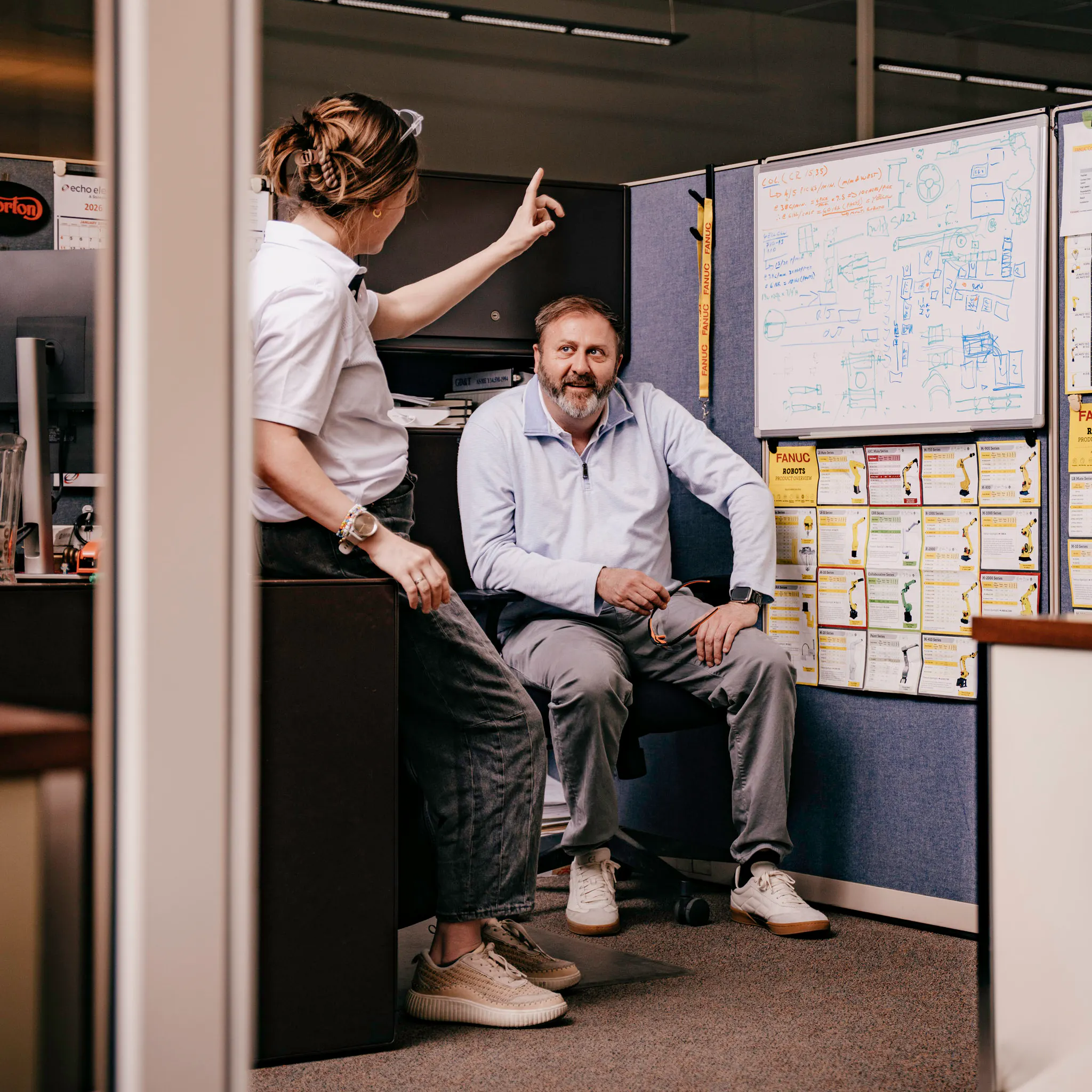
Preflight: Confidence Before You Commit
handshake Collaborate with a dedicated Acieta team on your floor
view_in_ar See the system modeled in 3D simulation software
fact_check Validate the solution with real-world feasibility tests
keyboard_double_arrow_right Move forward with a clear RFQ before the project begins
APEX: De-Risk the Delivery
build Work with a dedicated project manager
arrows_input Align every department on scope, timeline and design
info Stay informed with weekly progress updates
visibility See your system run to spec on our floor before it ships
AIS: Sustained Service + Support
menu_book Upskill your operators with training on your system
home_repair_service Stay ahead of issues with preventative maintenance
precision_manufacturing Access high-quality parts with inventory management
call Reach expert service with 24/7 Emergency Response
Preflight: Confidence Before You Commit
handshake Collaborate with a dedicated Acieta team on your floor
view_in_ar See the system modeled in 3D simulation software
fact_check Validate the solution with real-world feasibility tests
keyboard_double_arrow_right Move forward with a clear RFQ before the project begins
APEX: De-Risk the Delivery
build Work with a dedicated project manager
arrows_input Align every department on scope, timeline and design
info Stay informed with weekly progress updates
visibility See your system run to spec on our floor before it ships
AIS: Sustained Service + Support
menu_book Upskill your operators with training on your system
home_repair_service Stay ahead of issues with preventative maintenance
precision_manufacturing Access high-quality parts with inventory management
call Reach expert service with 24/7 Emergency Response
Ongoing Support Services
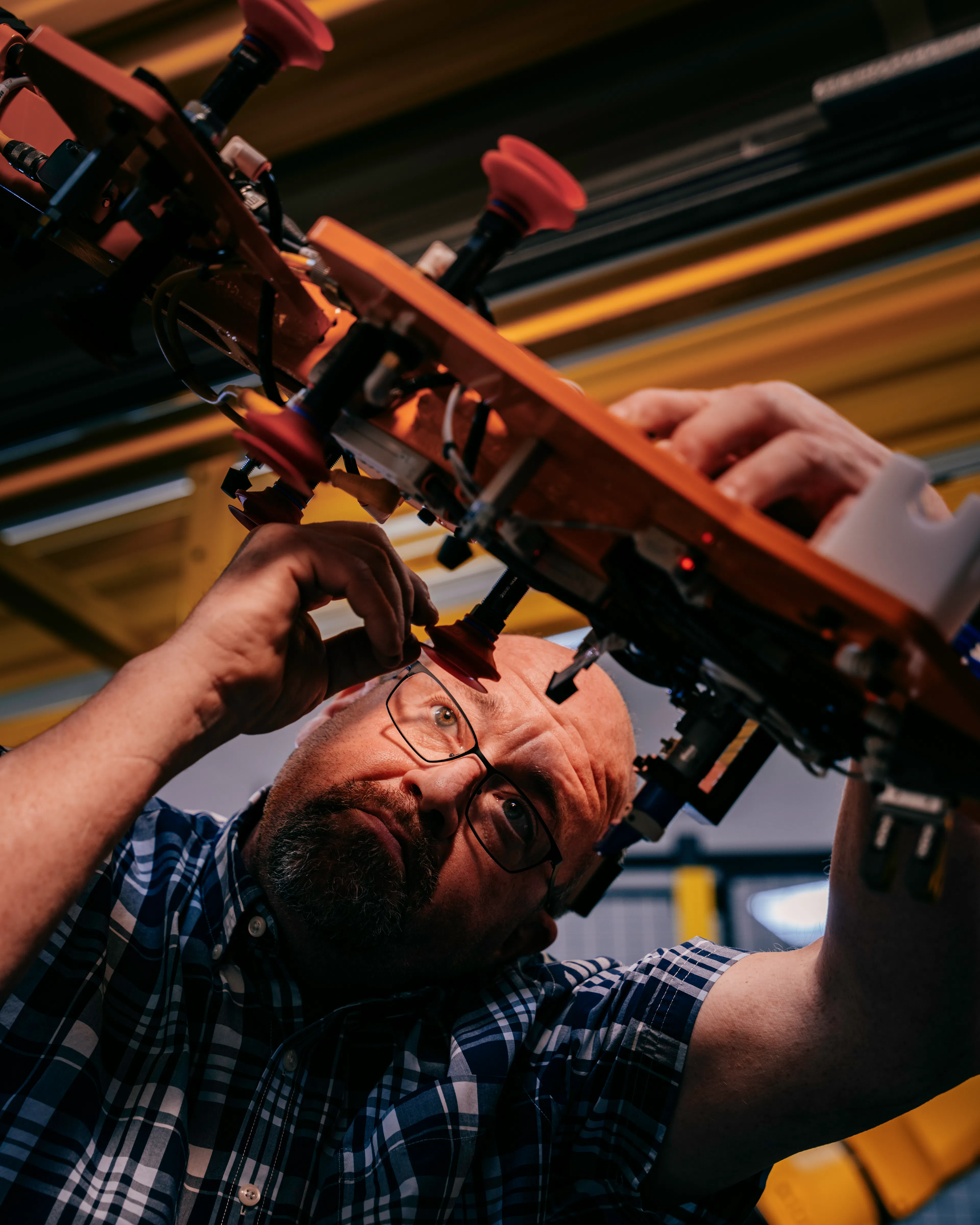
Preventative Maintenance
We help you avoid unexpected downtime and extend the life of your investment with regular inspections, adjustments, and proactive component care.
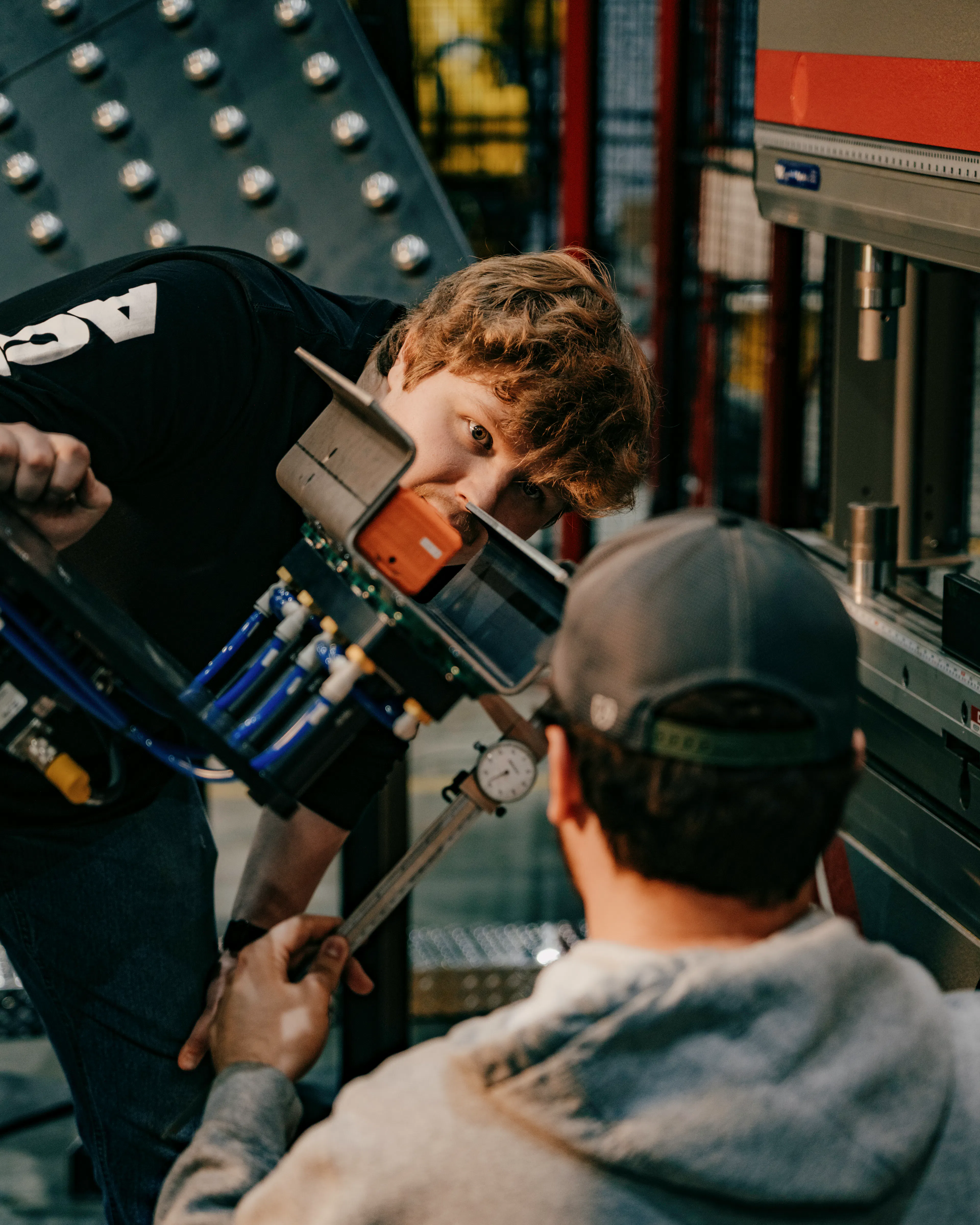
Training
Our training programs equip your team with the skills and confidence needed to operate, program, and maintain systems effectively.
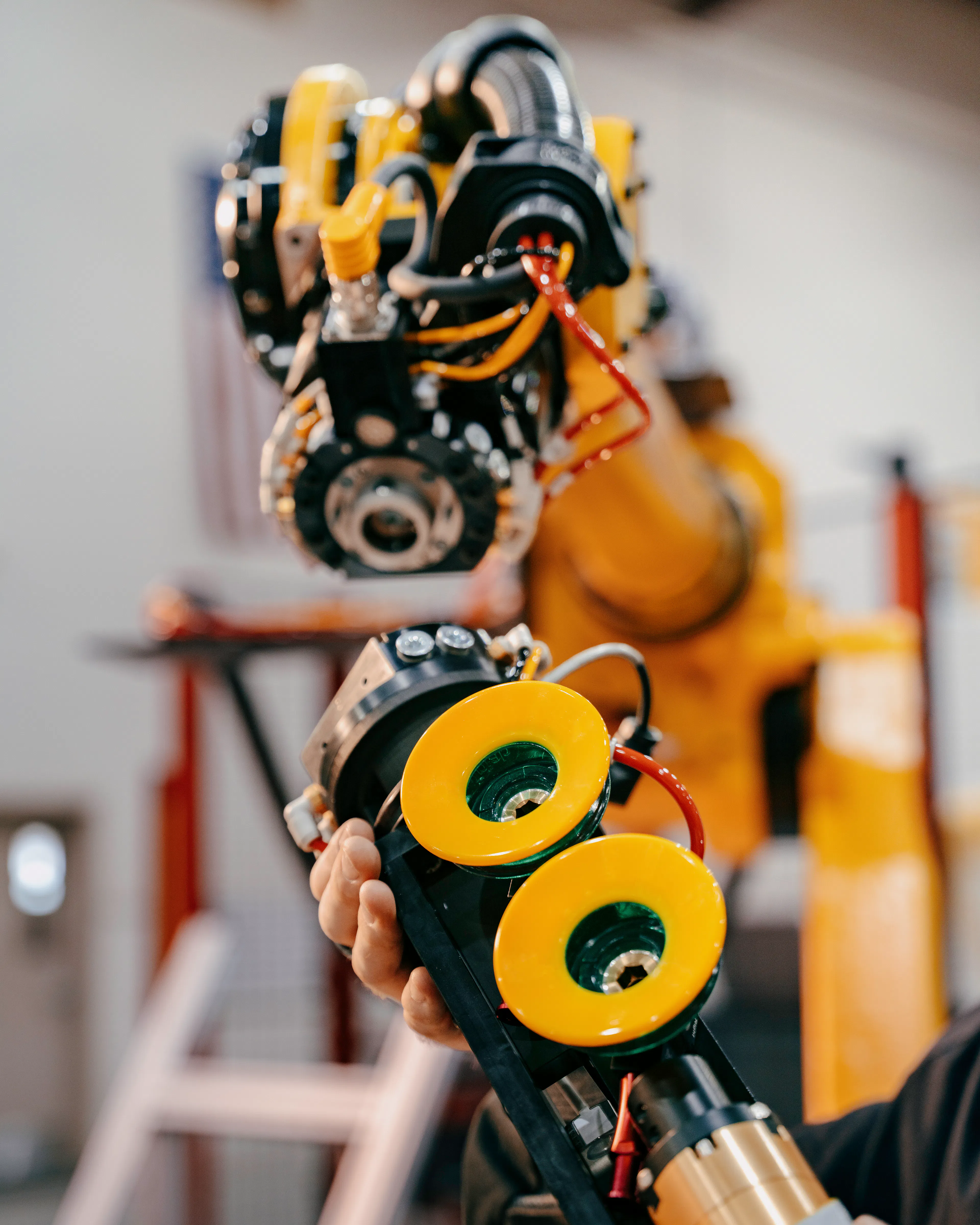
Spare Parts
Ensure the reliability and longevity of your system with a high-quality replacement parts.
Material Handling FAQs
Everything you need to know about automated material handling systems
The best candidates for material handling automation are repetitive, predictable processes that create production bottlenecks, ergonomic risks, or labor challenges.
If operators spend significant time loading machines, transferring parts between operations, palletizing finished goods, or moving work-in-process, an automated material handling system may improve throughput while reducing manual touches.
Yes. During the Preflight phase, we evaluate your current production constraints, future product roadmap, and throughput goals to engineer an automated material handling solution that supports today's production while remaining flexible enough to adapt as your operation evolves.
Factors such as part geometry, tolerances, presentation, throughput requirements, and anticipated product changes all influence the final system design.
In many cases, yes.
Material handling solutions are typically designed to integrate with your existing equipment rather than replace it.
During system design, we evaluate your production line, controls, machine interfaces, and material flow to determine how to maximize your existing investment.
By connecting robots with CNC machines, conveyors, vision systems, packaging equipment, and other production assets, manufacturers can modernize their operations without starting from scratch.
The strongest business cases for an automated material handling system consider both immediate operational improvements and the long-term flexibility needed to support future production growth, product changes, and evolving labor demands.